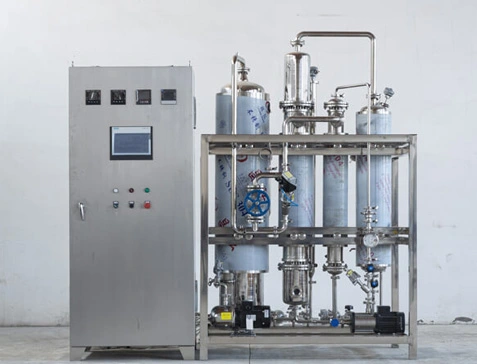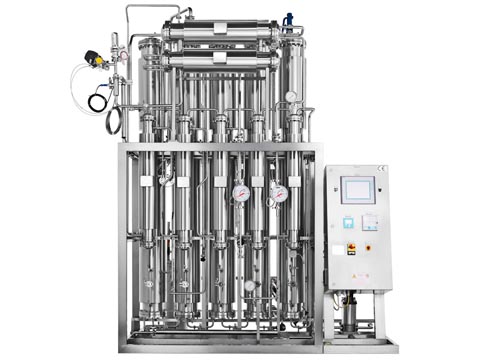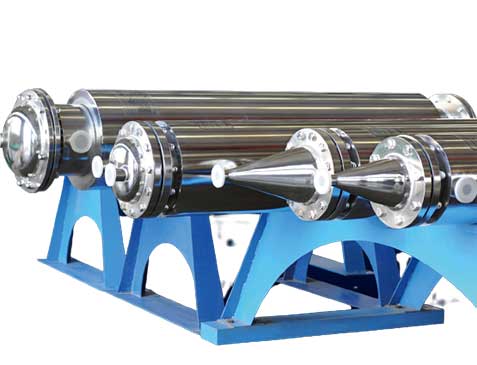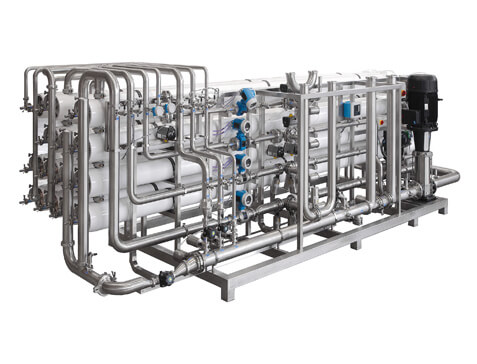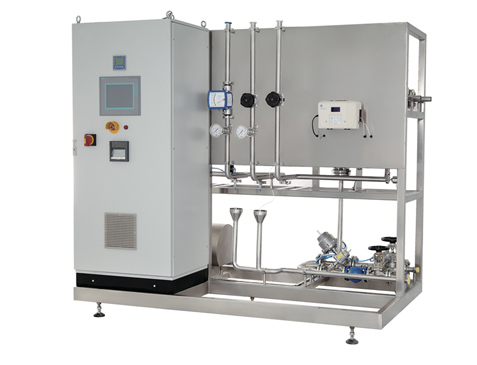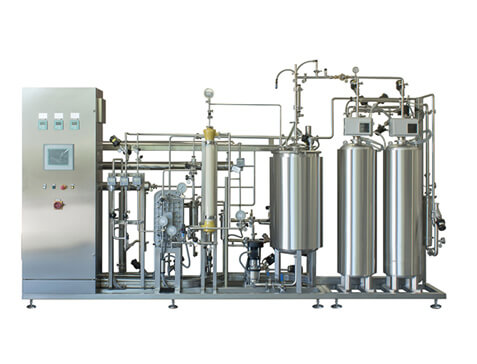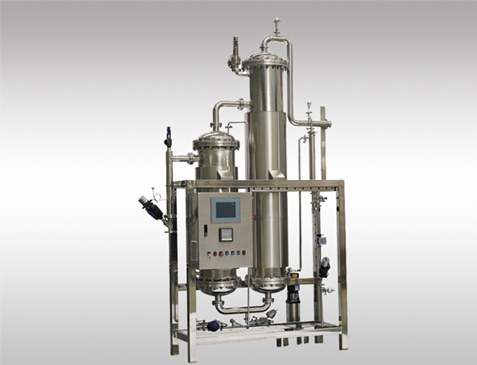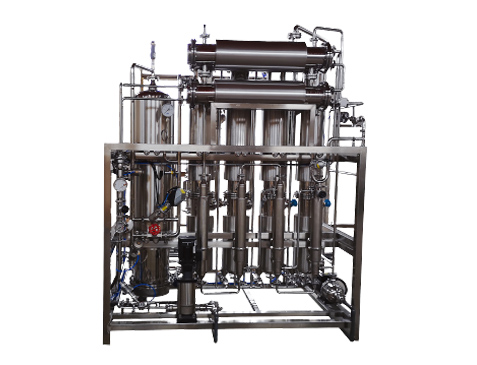
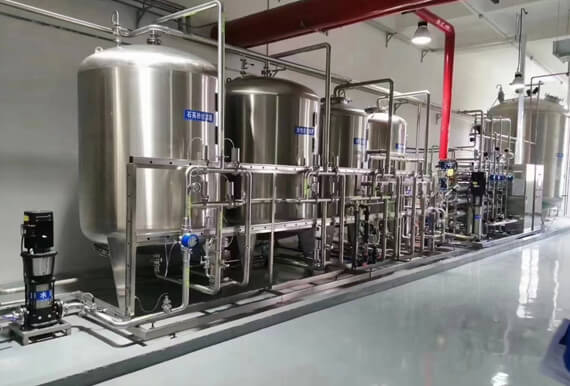
In pharmaceutical and biotech manufacturing, the Purified Water (PW) system plays a central role in ensuring consistent product quality and GMP compliance. While much attention is placed on pretreatment equipment and distribution loops, the PW storage tank is often the true cornerstone of long-term water system stability. A well-maintained tank protects water quality, prevents microbial contamination, and supports continuous, reliable supply to downstream processes.
For facilities looking to strengthen their quality assurance and minimize operational risks, understanding the correct maintenance strategy for a PW storage tank is essential. This guide outlines the key factors and practical steps needed to keep your system stable, efficient, and compliant for years.
The PW storage tank does far more than hold water. Its performance directly influences:
Microbial growth control
Temperature stability
System sanitization efficiency
Return loop performance
Consistency across points of use
CAPA frequency and audit outcomes
In other words, the PW storage tank acts as the heart of the water system. If the tank is not properly maintained, even the best purification equipment cannot compensate for system instability.
At Biocell, we frequently see that most deviations and unexpected microbial excursions originate from tank issues—poor vent filtration, surface contamination, inadequate mixing, or insufficient sanitization.
The tank’s internal surface finish has a direct impact on microbial adhesion and cleanability. To maintain long-term stability, ensure the tank meets GMP-grade specifications:
316L stainless steel construction
Low surface roughness (≤ 0.5 μm Ra)
Electropolished interiors to reduce biofilm formation
Fully drainable bottom slope of 2–3%
Orbital welding with full documentation
These features are standard in Biocell PW storage tank designs and are essential to maintaining a hygienic environment over the tank’s lifetime.
Stagnation is a major threat to PW quality. A properly designed PW storage tank should support continuous mixing or recirculation to avoid stratification and hot spots.
Key considerations include:
Spray ball or sanitary nozzle for continuous mixing
Uniform turnover rate to prevent stagnant zones
Tank recirculation velocity maintained between 1–2 m/s
Avoiding dead legs around inlet, outlet, and instrumentation ports
Stable mixing ensures conductivity, temperature, and microbial levels remain consistent throughout the system.
The vent filter is one of the most critical components protecting the PW storage tank. Its purpose is to ensure sterile air enters the tank as water levels fluctuate.
Maintenance requirements include:
0.2 μm hydrophobic PTFE vent filters to block microbes
Periodic integrity testing (e.g., water intrusion test)
Scheduled replacement based on manufacturer recommendation
Heating jacket or steam sanitization for condensation control
A clogged or compromised vent filter can quickly lead to contamination or vacuum damage.
PW systems typically operate at ambient or controlled temperatures depending on production needs. To maintain long-term water stability:
Keep temperature consistent within validated ranges
Avoid extended periods above microbial growth thresholds (20–45°C)
Consider chilled water jackets for warm climates
Use heat sanitization if the system supports it
Temperature fluctuations often indicate underlying equipment issues—faulty insulation, unstable recirculation, or inadequate mixing.
Sanitization is essential for maintaining stability in a PW storage tank. Facilities commonly use:
Hot water sanitization
Ozone injection
Chemical sanitization (e.g., NaOH)
UV disinfection within the loop
Your sanitization method should match your system design, local regulations, and production needs.
| Sanitization Method | Typical Frequency | Notes |
|---|---|---|
| Hot Water | Weekly or bi-weekly | Highly effective, GMP-friendly |
| Ozone | Continuous + weekly removal | Requires ozone destruction before use |
| Chemicals | Monthly or quarterly | Must ensure complete rinse-out |
| UV | Continuous | Prevents but does not remove biofilm |
Biocell systems often integrate ozone-compatible PW storage tanks to reduce microbial burden while maintaining energy efficiency.
Inaccurate measurements can lead to undetected quality issues. Ensure regular calibration and inspection of:
Level transmitters
Temperature sensors
Conductivity probes
Pressure gauges
Flow meters
CIP spray devices
Any malfunctioning instrument can compromise your system’s operational reliability.
Leaks, air ingress, and condensation are common causes of tank deviation reports. Include these checkpoints in your maintenance plan:
Inspect manway gaskets for cracks or compression wear
Confirm all clamps are tightened to validated torque settings
Check that seals are compatible with sanitization chemicals
Verify drain valves fully seal and fully open
Regular inspection prevents CIP inefficiencies and system contamination.
Internal tank inspections provide a clear picture of surface integrity and potential issues such as:
Pitting
Corrosion
Early-stage biofilm
Loose spray balls
Weld discoloration
Scale deposits
GMP facilities often schedule internal inspections annually or bi-annually, depending on system load and historical deviation trends.
A PW storage tank maintenance program should be documented and aligned with GMP expectations. This includes:
A validated sanitization procedure
A documented calibration schedule
SOPs for vent filter replacement
Preventive maintenance checklists
Change control for modifications
Annual quality review of system performance
Biocell provides validation support and maintenance documentation to help facilities meet regulatory requirements seamlessly.
Biocell designs and manufactures pharmaceutical water systems with a strong focus on long-term reliability. Our PW storage tanks include:
GMP-compliant 316L stainless-steel construction
Hygienic design with electropolished surfaces
Intelligent level, temperature, and pressure control
Ozone- and hot-water–compatible tank configurations
Automated spray devices for sanitization
Fully drainable, ergonomic maintenance access
By pairing engineering design with practical maintenance tools, Biocell helps facilities maintain stable PW systems with fewer deviations and lower operational risks.
Maintaining a PW storage tank involves much more than routine cleaning. It requires a structured, proactive approach that addresses hygiene, instrumentation, mixing, temperature control, and regulatory expectations. When properly maintained, the storage tank becomes a reliable foundation for long-term system stability—supporting consistent water quality across all production processes.
With Biocell’s engineering expertise and GMP-oriented system designs, facilities can achieve dependable PW performance while reducing lifecycle cost and operational complexity.
 English
 日本語
日本語 한국어
한국어 français
 Svenska
 Türkçe
 Malay
Malay Deutsch
 русский